Football Piggy Bank for Kids: A Fun and Functional DIY Project for Creative Makers
The Football Piggy Bank for Kids is a unique, engaging project that combines education, creativity, and practicality. Designed with laser cutting in mind, it's an excellent choice for parents, educators, hobbyists, and entrepreneurs who want to create something both meaningful and visually appealing. Whether you're looking to teach children about saving money or simply enjoy crafting with wood, this piggy bank offers a versatile and customizable solution.
What Is the Football Piggy Bank for Kids?
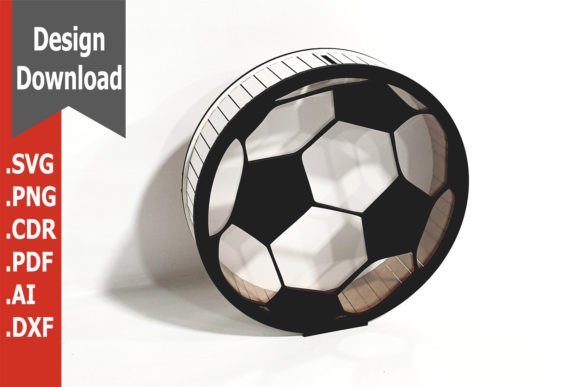
This product is a pre-designed template of a football-shaped piggy bank intended for laser cutting. It allows users to craft their own piggy banks using materials like plywood or wood. The design is scalable, making it suitable for different sizes depending on your needs. Once cut, the pieces can be assembled easily, painted, or decorated as desired. The result is a charming and personalized savings container that appeals especially to young football fans.
Why People Love This Design
- Educational Value: Encourages kids to save money while learning basic financial responsibility.
- Creative Freedom: Users can modify the layout, add custom elements, or choose colors that match their style or theme.
- Cost-Effective: Made from affordable materials like 3mm plywood and 2mm organic glass, it’s ideal for budget-conscious creators.
- Great for Mass Production: Its simple assembly makes it perfect for small businesses or schools planning to make multiple units.
- Supports STEM/STEAM Learning: Ideal for workshops or classroom activities involving design, engineering, and art.
Common Mistakes When Working with Laser-Cut Designs
Laser cutting projects like the Football Piggy Bank for Kids are popular, but they come with their own set of challenges if not approached carefully. Here are some common pitfalls and how to avoid them:
1. Ignoring Material Thickness Recommendations
One of the most overlooked aspects when starting a laser-cut project is the material thickness. The recommended option for this piggy bank is 3mm plywood. Using thicker or thinner materials may lead to issues such as:
- Difficulty in assembling due to misaligned slots or joints.
- Inconsistent cuts, especially if the laser cutter isn't properly calibrated for the new thickness.
- Structural weakness in the final product.
Better Approach: Always confirm the material thickness before beginning the project. If you’re unsure whether your laser cutter can handle a specific thickness, consult the machine manual or test a small sample first.
2. Not Scaling the Design Properly
Because the files are vector-based (formats include CDR, AI, PDF, DXF, SVG), they can be scaled up or down. However, improper scaling—especially without understanding the implications—can compromise the structure.
- Scaling too large might require stronger materials or reinforcement.
- Scaling too small could make the parts difficult to handle during assembly.
- Incorrect proportions may affect the aesthetics and usability of the piggy bank.
Better Approach: Use a design software that maintains vector integrity when resizing. Always double-check the dimensions after scaling to ensure all parts will fit together correctly. Consider creating a mock-up or printing out a draft at scale to verify the layout before cutting.
3. Skipping the Assembly Instructions
Some users download the file and assume they know how to put it together based on visuals alone. While the design is meant to be easy to assemble, skipping the instructions can lead to frustration and errors.
- You might miss crucial alignment tips.
- Joints or hinges may not close properly if assembled incorrectly.
- Time and effort can be wasted on trial-and-error fixes.
Better Approach: Read through any accompanying documentation or tutorial videos provided by the designer. These resources often highlight key steps and potential issues. Taking a few extra minutes here can save hours later.
Potential Misunderstandings About the Files
Many people download digital files without fully understanding what they contain or how to use them. Let’s address a few misunderstandings related to the Football Piggy Bank for Kids files:
Misconception: "The File Includes Everything I Need"
While the archive includes vector files in various formats (CDR, AI, PDF, DXF, SVG), it does not always provide additional assets like paint stencils, templates for decorations, or step-by-step video guides. You’ll need to plan for those extras yourself unless specified otherwise.
Solution: Review the file contents thoroughly before purchasing. If customization is important to you, consider buying a package that includes supplementary materials or look for online tutorials that align with the design.
Misconception: "I Can Use Any Laser Cutter"
Not all laser cutters are the same. Some home-use machines have limited power or precision compared to industrial ones. Failing to account for these differences can result in incomplete cuts or warped edges.
Solution: Check your laser cutter's specifications against the requirements mentioned in the file description. If you're using a shared or commercial service, ask about their machine capabilities and adjust the design accordingly.
Design Modifications: Tips and Tricks
One of the biggest advantages of having access to vector files is the ability to customize the design. But without proper guidance, modifications can go wrong. Here are some tips to keep in mind:
Adding Personal Touches
Many users want to personalize the Football Piggy Bank for Kids with names, logos, or team emblems. However, adding text or images without adjusting the design layout can disrupt the balance and functionality of the piggy bank.
Example: Adding a name tag without considering its placement might block the coin slot or interfere with the hinged door.
Corrective Tip: Make sure any added elements don’t overlap critical structural components. Test your modified design with a printout or simulation tool before sending it to the laser cutter.
Changing the Shape or Size
If you want to adapt the piggy bank into another shape—like a soccer ball or a cartoon character—you must maintain the core functional elements. The coin slot, internal cavity, and hinge points should remain intact to preserve usability.
Realistic Example: A creator once tried to reshape the piggy bank into a circular form but forgot to adjust the hinge mechanism. The result was a piggy bank that wouldn’t close properly.
Practical Advice: Focus on modifying the outer shell while keeping the inner structure consistent. Redesigning the entire layout requires a strong grasp of CAD tools and careful planning.
Before You Start: What to Check
To ensure a smooth experience with the Football Piggy Bank for Kids, take a moment to review the following checklist:
- Verify File Compatibility: Ensure your design software supports the file format you’ve downloaded. For example, if you use Inkscape, SVG files will work best.
- Confirm Material Availability: Know where you can source 3mm plywood and 2mm organic glass locally or online.
- Review the Cutting Settings: Adjust power and speed settings according to the material type and thickness for optimal results.
- Plan Your Decorations: Decide ahead of time whether you'll paint it or apply stickers. This helps you prepare the right supplies and protect delicate parts post-cutting.
- Test the Design: If possible, do a trial run with scrap material to see how the pieces fit together before working on the final version.
Best Practices for Assembling and Decorating
Once the laser cutting is complete, the real fun begins. Here are a few best practices to follow:
Assembly Tips
- Use tweezers or small clamps to hold pieces in place during assembly.
- Apply glue sparingly to avoid excess seeping through slits or warping the wood.
- Work in a well-lit area to ensure accurate piece placement.
Painting and Decoration Ideas
After assembly, you can bring the piggy bank to life with color and creative embellishments:
- Use acrylic paints for a durable and colorful finish.
- Add glow-in-the-dark paint for a nighttime touch.
- Attach felt feet to the bottom to prevent scratching surfaces.
- Include magnetic closures for easier opening and closing.
Remember, the design is meant to be adaptable. If you're targeting a younger audience, consider rounded edges and softer colors. For a more professional look, opt for natural wood finishes and minimal decoration.
Who Benefits Most from This Project?
Though the Football Piggy Bank for Kids is designed for children, the target audience extends far beyond just little ones. Here's how different groups can benefit:
- Parents: Create a thoughtful gift that encourages good habits in kids.
- Teachers/Educators: Incorporate the project into lessons on finance, art, or engineering.
- Hobbyists: Enjoy a rewarding DIY project with clear instructions and high-quality output.
- Entrepreneurs: Offer personalized piggy banks as a niche product with low overhead costs.
- Bloggers/Marketers: Showcase the product as a creative idea for content or promotional campaigns.
Final Thoughts
The Football Piggy Bank for Kids is more than just a savings jar—it's a canvas for creativity, a teaching tool, and a great way to introduce others to the world of laser cutting. By avoiding common mistakes and approaching the project thoughtfully, you can turn a simple template into a cherished item that delights both kids and adults alike.
Whether you're a beginner trying your hand at laser cutting or an experienced maker looking for an easy-to-produce design, this project offers flexibility, affordability, and charm. Just remember to check your materials, understand the files, and plan your modifications wisely. With these steps in mind, you're ready to craft a piggy bank that stands out—and helps build better financial habits along the way.