Geometric Digital Scrapbook Paper
Geometric digital scrapbook paper offers a versatile and modern approach to creative projects, blending structured design with artistic expression. These digital papers feature intricate patterns, bold shapes, and vibrant colors that can enhance everything from handmade crafts to digital presentations. Whether you're a hobbyist or a professional designer, understanding how to use geometric digital scrapbook paper can open up new possibilities for your work.
What Is Geometric Digital Scrapbook Paper?
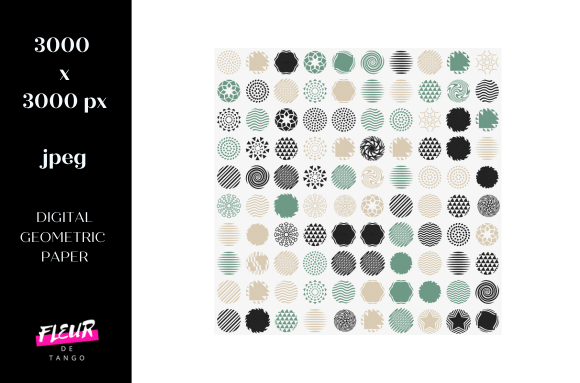
Geometric digital scrapbook paper refers to high-resolution digital images that mimic the look of traditional scrapbooking materials. These papers often incorporate repeating patterns, abstract shapes, and color gradients that create visual interest. Unlike physical paper, digital versions allow for easy customization, printing, and integration into various projects. They are typically available in JPEG format, ensuring compatibility with most design software and printers.
Each file is designed at 300 DPI, which means it’s suitable for both digital and print use without losing quality. The size of 3000×3000 pixels ensures that the paper can be scaled as needed for different applications, from small cards to large banners.
Why Different Audiences Care About It
The appeal of geometric digital scrapbook paper varies depending on who is using it. For beginners, it offers an accessible way to experiment with design without the need for expensive materials. For professionals, it provides a reliable source of high-quality assets that can be used in client projects. Educators might find it useful for teaching design principles, while entrepreneurs could integrate it into their product lines.
For example, a teacher creating classroom materials may appreciate the clean, structured look of geometric patterns, while a graphic designer working on a branding project might value the flexibility and scalability of digital files. Each user brings a unique perspective, and the paper's adaptability makes it relevant across many fields.
How Beginners Might Use It
Beginners often start with simple projects, such as creating a digital collage or designing a greeting card. Geometric digital scrapbook paper can serve as a background or overlay, adding visual depth without overwhelming the design. Its ease of use allows newcomers to focus on layout and composition rather than complex design elements.
For someone just learning about design, these papers can also act as a learning tool. By studying the structure of the patterns, beginners can gain insights into color theory, balance, and spatial relationships. This hands-on experience can help build foundational skills that apply to more advanced projects later.
How Professionals Might Evaluate It
Professionals prioritize quality, reliability, and versatility when selecting design assets. High-resolution files ensure that the paper looks sharp in any medium, whether printed or displayed digitally. The availability of a single JPEG file in a ZIP folder simplifies organization and reduces the risk of file corruption or loss.
Designers working on commercial projects may also consider the licensing terms of the paper. Some digital papers come with specific usage rights, which can impact how they are applied in client work. Understanding these details helps professionals avoid potential legal issues and ensures that their projects meet client expectations.
Practical Applications Across Industries
Geometric digital scrapbook paper has a wide range of applications beyond traditional scrapbooking. For instance, a small business owner looking to create marketing materials might use it as a background for social media posts or promotional flyers. Its multicolor and abstract nature can add a dynamic element to designs that stand out in a crowded market.
Similarly, a fabric designer could use the paper as a reference for creating textile patterns. The geometric elements provide a clear structure that can be adapted into woven or printed fabrics. This cross-disciplinary use highlights the paper’s flexibility and broad appeal.
How Educators Can Benefit
Educators often seek resources that are both engaging and educational. Geometric digital scrapbook paper can be used in art classes to teach students about design principles, symmetry, and pattern repetition. It can also serve as a tool for digital literacy, helping students understand how to manipulate and apply digital assets in creative projects.
By incorporating these papers into lesson plans, educators can encourage students to explore their creativity while learning technical skills. This dual benefit makes the paper a valuable addition to any classroom or workshop setting.
Considerations for Different Users
When choosing geometric digital scrapbook paper, users should consider their specific needs and goals. A hobbyist focused on personal projects might prioritize aesthetics and ease of use, while a commercial designer may place more emphasis on quality and licensing. Understanding these priorities can help users make informed decisions about which papers best suit their work.
For example, someone creating a custom invitation might look for a paper with a refined, elegant pattern, whereas a banner designer could prefer something bold and eye-catching. The right choice depends on the intended use and the desired outcome.
Exploring the Full Collection
Many designers offer a collection of geometric digital scrapbook papers, each with its own unique style and application. Exploring these collections can help users find the perfect fit for their projects. Some sets include multiple variations, allowing for greater customization and variety.
Whether you’re looking for a retro-inspired design, a grunge aesthetic, or a minimalist layout, there’s likely a paper that matches your vision. Taking the time to review different options can lead to more satisfying results and a more cohesive final product.