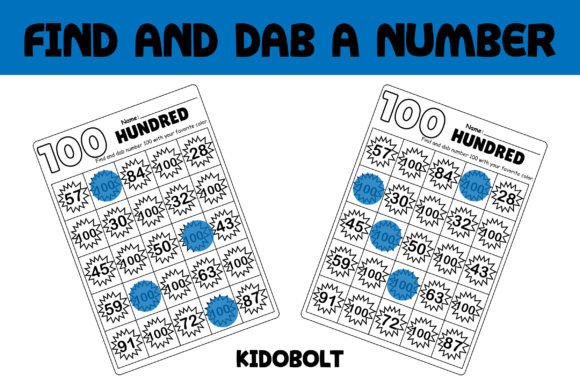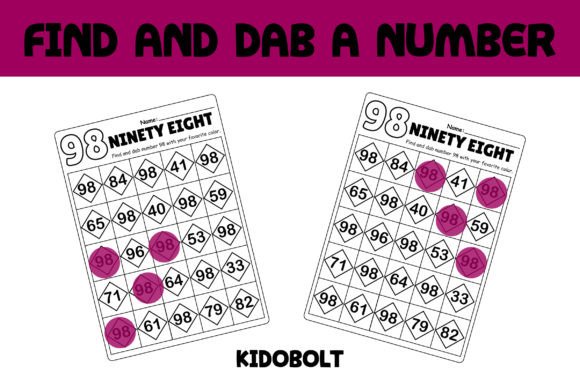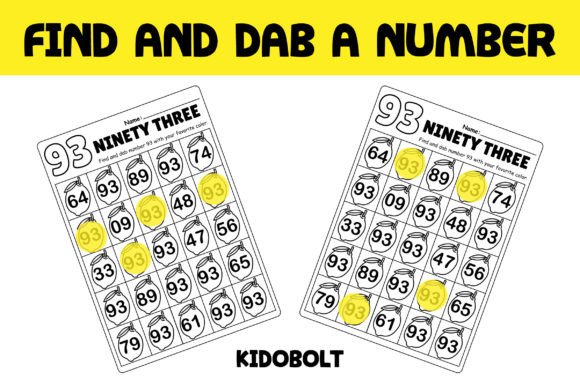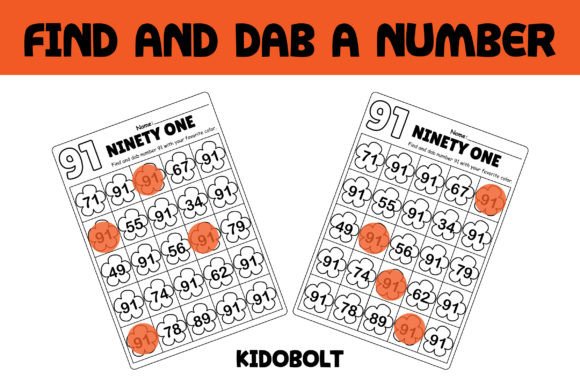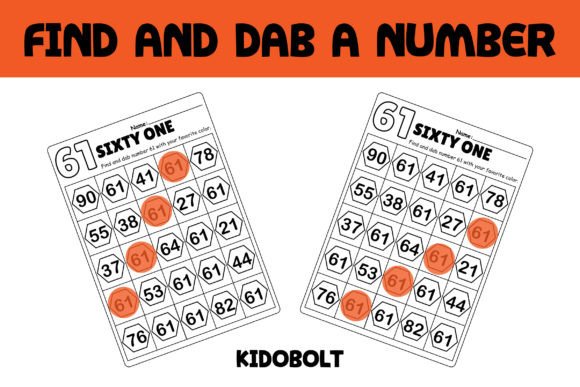
PreK Dab a Dot Number Worksheet - 61
The PreK Dab a Dot Number Worksheet - 61 is a valuable educational tool designed for young learners, particularly preschoolers and kindergartners. This printable worksheet features a number recognition activity that helps children identify and practice numbers in a fun and engaging way. The worksheet is part of a larger collection of resources aimed at supporting early childhood education, making it an essential component in the learning process for young children.
Designed with a clear layout and simple instructions, this worksheet allows educators and parents to introduce numbers in a structured yet playful manner. The use of a dabber or alternative tools like stamps, dry-erase markers, or decorative items adds a tactile element that keeps children interested and motivated. This makes the worksheet not only effective but also enjoyable for young learners.
Integrating the Worksheet into Learning Workflows
When planning early childhood education activities, the PreK Dab a Dot Number Worksheet - 61 can be seamlessly integrated into various stages of the learning process. It serves as a great starting point for number recognition, helping children build a strong foundation in numeracy. Educators can use it during classroom sessions or at home as part of a daily learning routine.
Before introducing new numbers, the worksheet can act as a review tool, reinforcing previously learned concepts. During lessons, it provides hands-on practice that supports memory retention and engagement. After completing the activity, teachers can assess student progress and identify areas where additional support may be needed. This flexibility makes the worksheet a versatile resource for both formal and informal learning environments.
Enhancing Engagement Through Creative Tools
One of the key benefits of the PreK Dab a Dot Number Worksheet - 61 is its adaptability. While the traditional method involves using a dabber, educators and parents can enhance the experience by incorporating alternative tools. Stickers, buttons, pompoms, or even finger paints can be used to add variety and creativity to the activity.
This approach not only keeps children engaged but also encourages fine motor skill development. By allowing kids to choose their preferred method of interaction, the worksheet becomes more personalized and interactive. This level of customization can lead to increased participation and a deeper connection with the learning material.
Using the Worksheet in Different Settings
The PreK Dab a Dot Number Worksheet - 61 is suitable for multiple settings, including classrooms, homeschool environments, and after-school programs. Its printable format makes it easy to distribute and use in various locations. Teachers can print multiple copies for group activities, while parents can use it for individual practice at home.
For educators, the worksheet can be part of a broader back-to-school assessment strategy. By introducing it early in the school year, teachers can gauge students' current knowledge and tailor instruction accordingly. This proactive approach ensures that each child receives the appropriate level of support and challenge.
Supporting Long-Term Learning and Development
Consistent use of the PreK Dab a Dot Number Worksheet - 61 can contribute to long-term learning outcomes. Regular practice helps reinforce number recognition, which is a critical skill for future math learning. As children become more confident in identifying numbers, they are better prepared for more complex mathematical concepts.
In addition to cognitive development, the worksheet promotes fine motor skills through the act of dabbing, coloring, or placing objects on the page. These skills are essential for writing and other academic tasks. By combining educational content with physical engagement, the worksheet supports holistic development in young learners.
Best Practices for Implementation
To maximize the effectiveness of the PreK Dab a Dot Number Worksheet - 61, it's important to follow best practices for implementation. Start by selecting the appropriate number for the child's developmental stage. For beginners, focus on numbers 1–10, gradually increasing the difficulty as the child progresses.
Provide clear instructions and demonstrate the activity before allowing children to work independently. Encourage them to say the number aloud as they complete the task, reinforcing auditory and visual learning. Offer positive reinforcement and praise to build confidence and motivation.
Organize materials in advance to streamline the activity. Have all necessary tools—dabbers, stickers, or other alternatives—ready so that the focus remains on the learning process. This preparation helps maintain a smooth workflow and minimizes disruptions during the activity.
Collaboration and Community Sharing
Sharing experiences with others can enhance the value of the PreK Dab a Dot Number Worksheet - 61. Educators and parents can post pictures of their completed projects on social media or educational platforms, inspiring others and fostering a sense of community. This sharing not only highlights creative approaches but also encourages collaboration among users.
By showcasing different ways to use the worksheet, individuals can gain new ideas and perspectives. Whether it's using unique materials or incorporating the worksheet into a larger lesson plan, these shared experiences contribute to a richer learning environment for everyone involved.
Conclusion
The PreK Dab a Dot Number Worksheet - 61 is a practical and effective resource for teaching number recognition to young children. Its versatility, ease of use, and engaging format make it an ideal tool for educators and parents alike. By integrating it into learning workflows, using creative tools, and sharing experiences, users can maximize its benefits and support the development of essential early math skills.
With consistent practice and thoughtful implementation, the worksheet can play a vital role in a child's educational journey. Whether used in a classroom, at home, or in a community setting, it offers a fun and meaningful way to learn and grow.