Victorian Architecture and Its Timeless Influence on Modern Design
The term "Victorian" conjures a rich tapestry of imagery, from grand homes with intricate facades to the ornate details that define an era of architectural innovation. The Victorian era, spanning from 1837 to 1901 during Queen Victoria’s reign, marked a pivotal chapter in design history. It was a time when architecture embraced both artistic expression and technological progress, resulting in a distinctive style that continues to inspire today. Whether you're a designer, entrepreneur, or simply someone fascinated by aesthetics, understanding the essence of Victorian architecture can open new doors for creative exploration.
The Industrial Revolution’s Role in Shaping Victorian Style
The rise of the Industrial Revolution played a foundational role in the evolution of Victorian architecture. With the mass production of materials like cast iron and plate glass, architects were no longer constrained by traditional building methods. This newfound access enabled them to experiment with bold designs and incorporate decorative elements previously deemed impractical or too costly. As a result, the Victorian style emerged as a blend of Gothic Revival, Italianate, and Second Empire influences—each contributing to its unique character.
Cast iron became a favorite medium for creating detailed balconies, railings, and window frames. Plate glass allowed for larger windows, bringing more natural light into interiors. These innovations not only enhanced visual appeal but also improved living conditions, aligning with the era’s emphasis on functionality amid ornamentation. The Victorians understood that beauty and utility could coexist, a principle that remains relevant in modern design thinking.
Defining Features of Victorian Architecture
Victorian architecture is instantly recognizable thanks to its defining features. Steeply pitched roofs, bay windows, and elaborate gables are hallmarks of this style. Facades often feature asymmetrical shapes, contrasting textures, and an abundance of decorative trim—especially around porches and doorways. Inside, large rooms, high ceilings, and fireplaces reflect the era's focus on comfort and space, even within ornate settings.
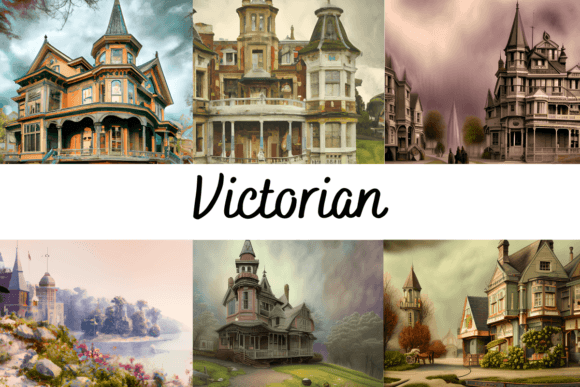
This bundle includes 6 images about a Victorian landscape, capturing the essence of this architectural movement in vivid detail. Each digital painting showcases the intricate patterns and historical charm that make Victorian design so appealing. From the delicate scrollwork of iron fences to the sweeping arches of stately homes, these visuals offer a glimpse into the craftsmanship of the past while being adaptable for contemporary uses.
Victorian Aesthetics in Contemporary Contexts
In today’s world, where minimalist and industrial styles dominate, the Victorian aesthetic offers a compelling counterpoint. There has been a growing appreciation for heritage-inspired designs, especially among professionals in interior design, branding, and product development. The ornate detailing and storytelling quality of Victorian architecture provide a sense of depth and character that resonates with audiences seeking authenticity and uniqueness.
For entrepreneurs and marketers, integrating Victorian themes can help differentiate products in crowded markets. Think of how a vintage-style logo or packaging inspired by Victorian motifs can evoke nostalgia while maintaining sophistication. Similarly, educators and content creators might use Victorian landscapes to illustrate lessons on history, art, or urban planning, making learning visually engaging and immersive.
Why Victorian Design Resonates Today
One reason the Victorian style remains popular is its adaptability. Unlike some historical styles that feel outdated, Victorian architecture can be reinterpreted for modern needs. For example, historic Victorian homes are often renovated to include smart home technology while preserving their original charm. This balance between old and new mirrors current consumer preferences for personalized, meaningful spaces that still benefit from modern conveniences.
Moreover, the eclectic nature of Victorian design allows it to blend seamlessly with other styles. A single piece of furniture with Victorian detailing can elevate a modern room without overwhelming it. The same goes for digital art: incorporating these images into a variety of projects—from website headers to product illustrations—can add a touch of elegance and narrative depth.
Practical Applications of Victorian Imagery
These 6 images of Victorian landscapes are not just nostalgic—they’re versatile tools for creators across industries. Here are a few practical applications:
- Interior Design: Use the images as background art for statement walls, or print them on fabric for curtains and upholstery in period-themed rooms.
- Product Packaging: Apply the digital paintings to eco-friendly or artisanal product lines to convey tradition and craftsmanship.
- Branding and Marketing: Incorporate the visuals into campaigns targeting luxury, heritage, or bespoke services, enhancing brand identity with timeless appeal.
- Web and App Design: Feature the artwork in lifestyle or design-focused websites to create a warm, inviting atmosphere.
- Print-on-Demand Merchandise: Print the images on mugs, notebooks, or clothing for niche audiences interested in history and aesthetics.
Each image tells a story of an era defined by change, creativity, and community. They serve as more than just decoration; they are conversation starters that connect people to history and culture in subtle yet powerful ways.
Evolving Trends and the Rise of Nostalgic Design
Recent years have seen a resurgence in interest in nostalgic and heritage-based design. This shift reflects broader cultural trends toward valuing authenticity, sustainability, and human connection in a rapidly digitizing world. People are drawn to aesthetics that tell a story, and the Victorian era is rich with symbolism and history.
Designers and businesses are tapping into this sentiment by blending historical elements with modern minimalism. For instance, many boutique hotels now use Victorian-style artwork to evoke a sense of place and personality. Similarly, freelancers and bloggers in lifestyle niches are leveraging these visuals to enhance their platforms' visual appeal and emotional resonance.
What makes this trend particularly interesting is how it aligns with the values of today’s consumers. In a market saturated with generic, impersonal designs, Victorian-inspired visuals offer a way to stand out while staying grounded in real-world relevance.
How to Integrate Victorian Art Into Your Work
If you're considering using these 6 images about a Victorian landscape, here are a few tips to ensure they resonate with your audience:
- Understand the context: Research the specific architectural features depicted in each image to use them authentically in your project.
- Balance with modern elements: Don’t shy away from combining Victorian visuals with clean, contemporary layouts. The contrast can highlight the best aspects of both eras.
- Use for storytelling: Whether you're designing a website or launching a new product line, let the imagery guide the narrative and evoke emotion.
- Test the tone: Ensure the Victorian theme aligns with your brand voice. If you're going for elegance and refinement, these images are ideal. For edgier or more avant-garde projects, consider abstract interpretations.
- Stay flexible: Use the images in multiple formats—desktop backgrounds, social media posts, print materials—to maximize their reach and impact.
Preserving the Past, Inspiring the Future
Victorian architecture and design aren't just relics of the past—they're blueprints for future creativity. Many of the principles that guided Victorian builders—like blending form and function—are still valuable today. The attention to detail, the use of mixed materials, and the emphasis on storytelling through design all contribute to a lasting legacy.
As lifestyles continue to evolve, there's a renewed interest in spaces that feel personal and meaningful. The Victorian style, with its mix of grandeur and warmth, provides a perfect foundation for this kind of design. Whether you're restoring a historic home or crafting a digital portfolio, the Victorian aesthetic offers a timeless approach that can be tailored to fit modern sensibilities.
Real-World Examples of Victorian-Inspired Projects
Let’s look at a few examples of how Victorian elements are being used effectively today:
- A boutique coffee shop in Chicago redesigned its menu boards using Victorian-style typography and border designs to emphasize handcrafted quality.
- An online furniture store leveraged digital Victorian landscape images as part of their promotional banners, highlighting the craftsmanship behind each item.
- A freelance graphic designer created a series of greeting cards featuring stylized versions of these images, which became a hit with customers looking for unique holiday gifts.
- A tech startup integrated subtle Victorian motifs into their office decor, helping employees feel connected to the company’s heritage and values.
These cases show that Victorian design isn’t just for historians or preservationists—it’s a resource for anyone who wants to infuse their work with depth and distinction.
Choosing the Right Victorian Visuals for Your Needs
With this bundle of 6 images about a Victorian landscape, you have a curated collection that can suit various purposes. When selecting visuals for your project, consider the following factors:
- Theme alignment: Does the image reflect the mood or message of your project? A misty, pastoral scene may work well for wellness brands, while a cityscape with ornate buildings could suit urban lifestyle content.
- Color palette: Victorian art often features muted tones with rich accents. Check if the colors complement your existing brand or design scheme.
- Resolution and format: Ensure the images are suitable for both digital and print use, depending on your intended application.
- Emotional impact: Choose visuals that evoke the right feelings—whether it's nostalgia, tranquility, or inspiration.
By thoughtfully integrating these images, you can create a cohesive and compelling design language that appeals to a wide range of audiences.
Final Thoughts on Victorian Design
The Victorian era was more than just a time of architectural experimentation—it was a reflection of societal values and aspirations. The same can be said for today’s design choices. By embracing the Victorian style, we tap into a visual language that speaks to both the eye and the soul. Whether you're a professional seeking to elevate your work or a hobbyist exploring creative expression, these images offer a bridge between past and present.
So take a closer look at these 6 images about a Victorian landscape. Let them spark ideas for your next project. In a world that constantly pushes forward, sometimes the most innovative path is one rooted in history.