Camouflage Army Patterns Uniform Texture: A Versatile Resource for Design and Production
Camouflage Army Patterns Uniform Texture has become a staple in the design world, particularly for those working in fashion, printing, marketing, and creative industries. This pattern type is not only functional but also visually compelling, making it ideal for a range of applications beyond traditional military use. Whether you're a designer creating custom apparel, a small business owner looking to enhance product visuals, or an entrepreneur exploring niche market opportunities, understanding how to utilize these textures effectively can streamline your workflow and improve your final output.
What Is Camouflage Army Patterns Uniform Texture?
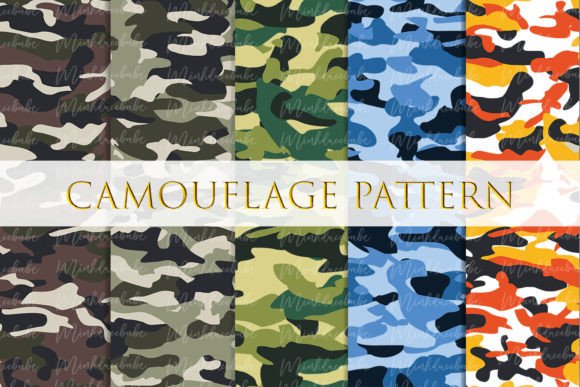
Camouflage Army Patterns Uniform Texture refers to the visual design and surface characteristics of military-style camouflage used on uniforms. These patterns are engineered to blend into natural environments, using combinations of colors and shapes that mimic foliage, terrain, and other landscape features. The texture component involves the tactile or digital representation of this pattern's complexity, often achieved through high-resolution images or vector graphics that retain clarity at any size.
From a design perspective, these textures serve as a base layer for various projects. They can be layered with other elements such as logos, text, or decorative motifs. In print and fabric production, they provide a realistic and durable look that appeals to both casual and serious users of military-themed products.
Use Cases and Integration Into Projects
Camouflage Army Patterns Uniform Texture can be integrated into several stages of a project lifecycle. Before launching a new line of clothing, for example, designers may use these textures during the planning phase to visualize how different materials will interact with the pattern. During the execution stage, they might apply the texture digitally to mockups or prototypes. After production, the same texture can help create consistent branding across promotional materials, packaging, or even event décor.
- Fashion Design: Use the texture as a background for custom t-shirts, jackets, or accessories. It works well with screen printing and sublimation techniques.
- Graphic Design: Incorporate the texture into posters, flyers, or digital banners for events like weddings, parties, or themed promotions.
- Marketing and Branding: Create cohesive campaigns by using the same texture across product photos, social media assets, and packaging designs.
- Print Fabric: Resize and repeat the pattern to cover larger surfaces such as banners, tablecloths, or interior design elements.
Preparation and Compatibility
Before using Camouflage Army Patterns Uniform Texture, it's essential to assess its compatibility with your tools and platforms. Most modern design software such as Adobe Photoshop, Illustrator, or Canva supports high-resolution image files, which makes integration straightforward. Ensure that your workspace is organized so that texture files are easily accessible and categorized by resolution, format, and intended use.
When preparing for a project involving physical prints, always check the recommended color mode (RGB vs. CMYK) and file resolution. The provided JPG images with 300 dpi RGB are suitable for most printing purposes, while PNG files are preferred when transparency or clean edges are required. Keeping multiple versions of the texture allows flexibility during the design process and ensures quality control throughout production.
Workflow Examples
Here’s a practical example of how a small business owner could integrate Camouflage Army Patterns Uniform Texture into their workflow:
- Research and Concept Development: Identify target markets, such as outdoor enthusiasts or wedding planners interested in unique themes.
- Design Mockups: Use the texture as a background for mockups of products like camo-themed wedding attire or branded merchandise.
- Prototyping: Print sample fabrics using the high-res JPGs to test durability and visual appeal before mass production.
- Production: Apply the texture consistently across all printed items using scalable vector objects to maintain uniformity and detail.
- Post-Production: Repurpose leftover texture elements into promotional content such as Instagram stories or email newsletters.
This structured approach helps ensure that the texture remains a central asset without overwhelming the design process. It also enables efficient scaling from initial concept to full-scale implementation.
Practical Tips for Implementation
To make the most out of Camouflage Army Patterns Uniform Texture, consider the following tips:
- Layer Smartly: Use the texture as a base layer and avoid overloading it with too many overlays. This maintains visual balance and clarity.
- Optimize File Sizes: When exporting for web use, compress images appropriately to reduce load times without sacrificing too much quality.
- Test on Different Surfaces: If planning to print on fabric or paper, conduct tests to see how the texture reacts under various conditions and dyes.
- Stay Consistent: Maintain a consistent style if using the texture across multiple products. This strengthens brand identity and customer recognition.
- Backup Your Files: Store original high-resolution JPG and PNG files in a secure location to prevent loss and allow future edits or reprints.
For educators and bloggers, these textures can serve as excellent examples for teaching design principles or showcasing trends in thematic aesthetics. By embedding them into tutorials or articles, you add a tangible element that enhances learning and engagement.
Quality Control and Long-Term Use
Maintaining the integrity of Camouflage Army Patterns Uniform Texture is crucial for long-term success. Always verify that the texture aligns with the intended application, whether it's for a one-time print job or ongoing product lines. Using watermarked or low-quality images can compromise professionalism and lead to poor outcomes.
The package containing 5 high-resolution JPG images and 5 PNG files offers versatility. JPGs are great for photographic backgrounds, while PNGs preserve sharpness and transparency. For instance, a marketer might use JPGs for large-format posters and PNGs for website headers or app icons. Regularly reviewing your usage of these files can help identify where improvements or updates are needed.
Also, consider the scalability of the texture. Since all vector objects included in the purchase can be resized without losing quality, you can confidently use them in both small and large formats. This is especially valuable for entrepreneurs who need to adapt designs quickly based on client requests or market demands.
Interactions With Other Tools and Resources
Camouflage Army Patterns Uniform Texture doesn't work in isolation. It interacts with various tools and resources depending on the project. Here are some key interactions:
- Design Software: Programs like Photoshop or GIMP let you manipulate the texture, adjust contrast, or combine it with other layers for more dynamic results.
- Printing Platforms: High-resolution JPGs are compatible with most commercial printers, ensuring that your physical products match the digital vision.
- Collaboration Tools: Share the texture via cloud storage or project management platforms with team members to maintain alignment during collaborative efforts.
- Client Presentations: Use the texture in presentations to demonstrate product concepts clearly and professionally.
By integrating these textures into your existing toolkit, you can enhance your ability to deliver polished, professional results. For freelancers and publishers, this means faster turnaround times and greater client satisfaction due to the texture's adaptability and ease of use.
Efficiency and Organization in Usage
Efficient use of Camouflage Army Patterns Uniform Texture requires good organization habits. Create folders for each project and label files clearly—this helps when revisiting old designs or making adjustments later. Naming conventions like "camo_texture_wedding_v1" or "military_background_print_ready" can simplify retrieval and minimize confusion.
Another aspect to consider is the workflow timing. Some creators prefer applying the texture early in the design phase to guide the overall aesthetic. Others wait until the final touches to ensure the pattern complements all other design elements. Experimenting with placement and scale can reveal the optimal approach for your specific goals.
Enhancing Creativity and Decision-Making
While the texture provides a strong foundation, creativity still plays a vital role. Think about how it can inspire new ideas or solve design challenges. For example, a blogger covering DIY fashion might suggest using the texture as a backdrop for photo shoots or as part of a tutorial on how to mix military and civilian styles.
In decision-making processes, having access to a variety of texture options allows for better comparisons. You can evaluate how different shades or patterns affect the mood and usability of a design. This is especially helpful when catering to diverse audiences or selling in multiple regions with varying preferences.
Personalization and Customization
One of the standout benefits of Camouflage Army Patterns Uniform Texture is its potential for personalization. Whether you're designing a custom hoodie for a client or creating a limited edition line of products, the texture can be modified to suit individual tastes. Add names, logos, or unique embellishments to make each item feel exclusive and tailored.
For hobbyists or crafters, the texture serves as a starting point for more elaborate projects. Combine it with embroidery, patches, or digital illustrations to elevate standard designs into something truly distinctive. The absence of watermarks on purchased items ensures that your final products remain uncluttered and professional-looking.
Conclusion Through Application
Ultimately, the value of Camouflage Army Patterns Uniform Texture lies in its ability to support both function and creativity. From military-inspired apparel to thematic wedding designs, it offers a reliable canvas for innovation. By understanding how to prepare, implement, and organize its use, professionals and creatives can incorporate it seamlessly into their workflows.
If you find yourself frequently using this type of texture, consider subscribing to or following stores that offer similar high-quality resources. Doing so ensures access to updated designs and exclusive content that can keep your projects fresh and aligned with current trends.
Remember, the goal isn’t just to use the texture—it's to use it well. With proper planning and attention to detail, Camouflage Army Patterns Uniform Texture can become a powerful tool in your creative arsenal, helping you achieve consistency, quality, and efficiency in every project it touches.