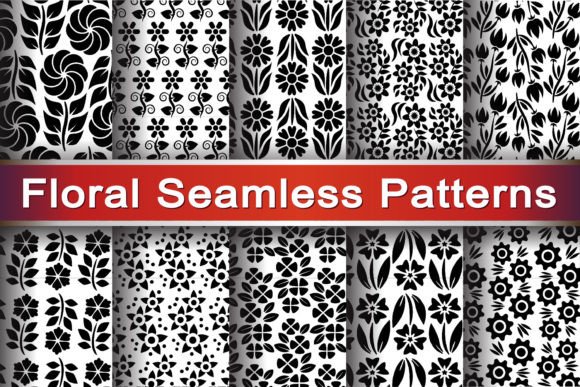
Seamless Floral Patterns: A Versatile Design Element for Creatives
Seamless floral patterns have become a staple in the design world due to their adaptability and aesthetic appeal. These patterns consist of stylized, decorative floral elements arranged in a way that allows them to repeat endlessly without visible seams or disruptions. When designed in black and white with flat, monochrome visuals, seamless floral patterns offer a timeless elegance that can complement various design styles and purposes. Whether you're working on digital projects, print materials, or textile designs, understanding when and how to use these patterns is essential for achieving professional results.
What Are Seamless Floral Patterns?
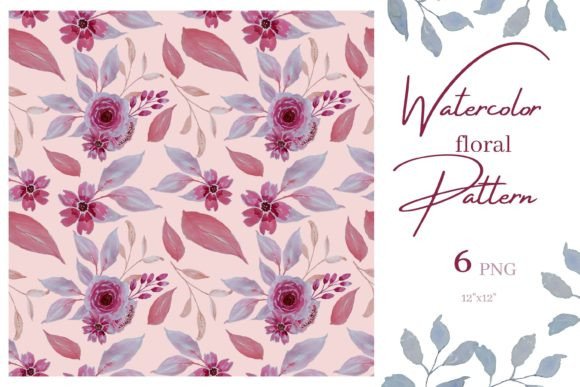
Seamless floral patterns are vector or raster-based graphic designs featuring flowers and plant elements arranged in a continuous loop. This means they can be tiled infinitely across any surface—digital or physical—without showing the edges between repeated sections. The most common file formats for such patterns include JPEG for high-resolution raster images and EPS (Encapsulated PostScript), particularly EPS10, which supports scalable vector graphics and retains quality at any size.
The flat design approach used in many modern seamless floral patterns eliminates shading and depth, focusing instead on clean lines and geometric shapes. In black and white variations, this technique enhances the contrast and clarity of the pattern, making it suitable for both bold and subtle applications.
Why People Choose Seamless Floral Patterns
Creatives from different fields often turn to seamless floral patterns for their visual impact and functional versatility. Interior designers may use them as wallpaper textures, while fashion illustrators might incorporate them into fabric prints. Graphic designers appreciate their ability to add intricate detail to backgrounds without overwhelming the viewer. Here are some key reasons people choose these patterns:
- Consistency in Repetition: Seamless patterns ensure there are no breaks or overlaps when tiling, which is crucial for large-scale prints or digital backdrops.
- Monochrome Flexibility: Black and white versions work well with color overlays and allow for easy customization to match brand colors or themes.
- High Resolution Support: With included JPEG files and scalable EPS vectors, these patterns maintain sharpness whether printed on paper or displayed on screen.
- Timeless Appeal: Stylized floral designs remain popular across cultures and eras, offering a classic look that never goes out of style.
Benefits and Tradeoffs of Using Seamless Floral Patterns
Using seamless floral patterns offers several advantages, especially for professionals who need visually engaging yet non-distracting design elements. One major benefit is the ease of integration into existing layouts. Since they are designed to tile seamlessly, they save time and reduce the need for manual adjustments when filling space. Additionally, high-resolution JPEGs ensure crisp details for print media, while EPS10 vector files provide scalability for logos, packaging, and web graphics.
However, there are also tradeoffs to consider. Overuse of floral patterns can lead to cluttered or busy designs, particularly if the pattern is too detailed or densely packed. In some contexts, such as corporate branding or minimalist interfaces, an abstract or simpler pattern may be more appropriate. Furthermore, while black and white versions offer flexibility, they may not always convey the intended mood or tone if color is a critical component of the project.
Key Considerations for Selection
When selecting a seamless floral pattern, consider the following factors:
- Design Context: Will the pattern serve as a background, accent, or main feature? High-contrast black and white patterns work best for backgrounds, while subtler designs may suit accents.
- Resolution Needs: If your project involves large-format printing or zooming, prioritize EPS10 files for their resolution independence.
- Pattern Complexity: Evaluate how much detail is needed. Simple, abstract designs tend to perform better in small spaces or alongside text-heavy content.
- Brand Alignment: Ensure the pattern's style matches your brand identity. While floral motifs are versatile, they should align with your overall design language.
Situations Where Seamless Floral Patterns Excel
Seamless floral patterns are particularly effective in the following scenarios:
- Interior Design and Décor: From wall murals to fabric swatches, these patterns create immersive environments that feel organic and artistic.
- Fashion and Textile Design: Monochrome seamless floral patterns are ideal for creating unique fabric designs, especially for those who want to experiment with color layering later.
- Graphic Design Projects: Use them as backgrounds for websites, social media templates, or marketing materials where a decorative yet cohesive look is desired.
- Stationery and Packaging: Abstract, stylized patterns enhance product aesthetics without competing with other design elements like typography or photography.
In these cases, the availability of high-resolution JPEG files ensures excellent print quality, while the EPS10 vector format provides the precision needed for scalable applications.
When Alternatives Might Be Better
While seamless floral patterns are highly adaptable, they aren't always the best choice. For example, if your design requires transparency or layered effects, you may prefer PNG files over JPEGs. Similarly, if your audience prefers modern or industrial aesthetics, a geometric or abstract seamless pattern could be a better fit than a traditional floral one.
Another consideration is performance. In web design, using overly complex patterns can affect loading times. In such instances, simplifying the design or opting for a smaller file size might be necessary. It's also important to remember that not all audiences respond positively to floral motifs. Some may find them outdated or too ornate for contemporary tastes. Conducting user research or testing different options before finalizing a design can help avoid misalignment with your target market.
Practical Tips for Choosing the Right Pattern
To make the most of seamless floral patterns, start by defining your project’s requirements clearly. Ask yourself questions like:
- Will the pattern be used in print or digital formats?
- Do I need to modify the pattern’s color or scale?
- How does the pattern interact with other design elements?
Once you have answers, evaluate the available options based on complexity, resolution, and compatibility with your tools. Always test the pattern in the actual context it will appear in—whether that's a website mockup, a fabric sample, or a packaging layout—to ensure it meets your expectations.
Also, take advantage of the EPS10 vector file when possible. Vector formats allow for greater flexibility in editing and resizing, which is especially useful for designers who may need to tweak the pattern for specific applications. High-resolution JPEGs, on the other hand, are best suited for fixed-size outputs where pixel perfection is required.
Expectations and Best Practices
It's important to set realistic expectations when working with seamless floral patterns. While they offer a polished look, they require thoughtful placement and scaling to avoid visual fatigue. A common mistake is using a pattern that’s too dominant, which can distract from the primary message or content.
Best practices include:
- Using the pattern as a secondary design element rather than the focal point.
- Testing it at different scales and resolutions to identify potential issues.
- Ensuring proper contrast with foreground elements to maintain readability and visual hierarchy.
By keeping these principles in mind, you can leverage seamless floral patterns effectively without compromising the usability or professionalism of your design.
Final Thoughts on Seamless Floral Patterns
Seamless floral patterns are a valuable asset in a designer’s toolkit, especially when executed in black and white with a flat, stylized approach. They offer a balance between artistry and functionality, making them suitable for a wide range of creative projects. However, their effectiveness depends on how well they align with your goals, audience preferences, and technical requirements.
Whether you’re designing for fashion, interiors, or digital platforms, consider the role of the pattern within the broader context. Evaluate its complexity, file format suitability, and visual harmony with other components. With careful planning and execution, seamless floral patterns can elevate your work and provide a refined, elegant solution to recurring design challenges.